Stick-built vs modular construction for oil & gas facilities: how to choose
CHR engineering team,
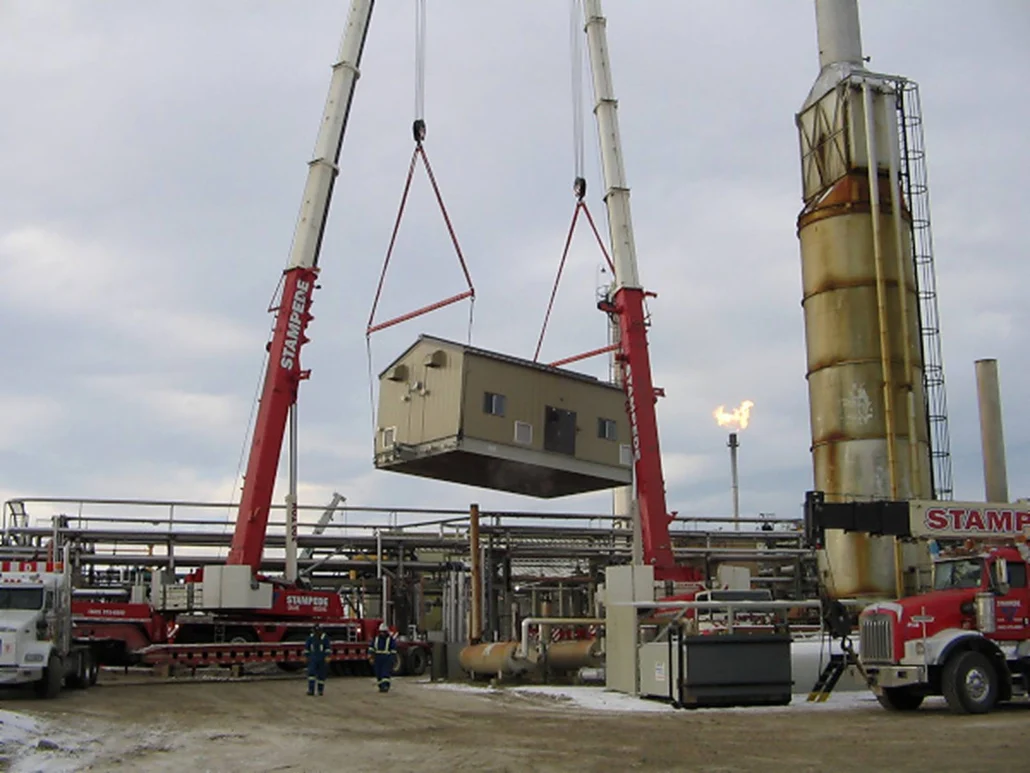
Stick-built construction assembles a facility piece by piece on site. Modular construction builds large, pre-assembled sections in a fabrication shop and ships them to site to be set and connected. Modular usually wins on schedule, site labour and quality control; stick-built can win on flexibility and has no transport limits on size. Most real projects are a mix of both.
Side-by-side comparison
| Stick-built | Modular | |
|---|---|---|
| Where the work is done | Mostly on site | Mostly in a shop |
| Schedule | Site work follows foundations | Shop and site work in parallel |
| Weather risk | High | Low for the modules |
| Site labour and camp | Large | Much smaller |
| Quality control | Harder in the field | Easier in the shop |
| Transport | Small pieces | Size and weight limits apply |
| Late design changes | Easier to absorb | Expensive once fabrication starts |
| Extra steel | Less | More (module frames, lifting) |
When modular makes sense
- Remote or harsh sites: northern Alberta and BC, the Arctic, anywhere with short seasons or expensive camps
- Tight schedules: shop fabrication runs while site preparation and foundations go ahead
- Limited skilled labour near site
- Operating plants: fewer people and less hot work around live equipment
- Repeatable designs: compressor stations or plants built several times
When stick-built makes sense
- Very large equipment that cannot be moved in modules anyway
- Sites with good local labour and access
- Projects where the design will keep changing late into execution
- Small additions where the module structure would add more cost than it saves
The middle road: hybrid execution
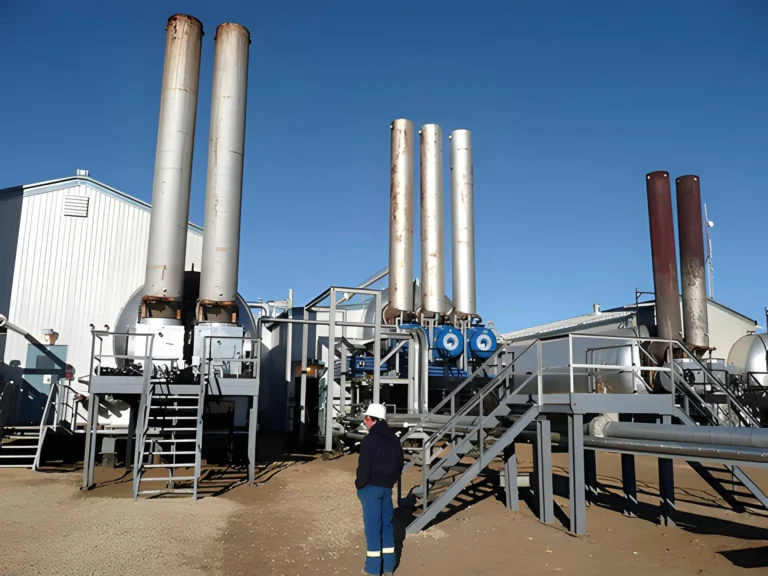
Many facilities use pre-assembled pipe rack modules and packaged equipment skids, with large columns and tanks erected on site. A modular NGL fractionation plant addition in Alberta is an example: modules built in the shop, columns set by crane on site.
Decisions to make early for a modular project
- Module envelope: maximum size and weight from the transport route and cranes
- Module split: which systems go in which module, and where the interfaces are
- 3D model to fabrication level, with clash checks across modules
- Design freeze date before fabrication starts
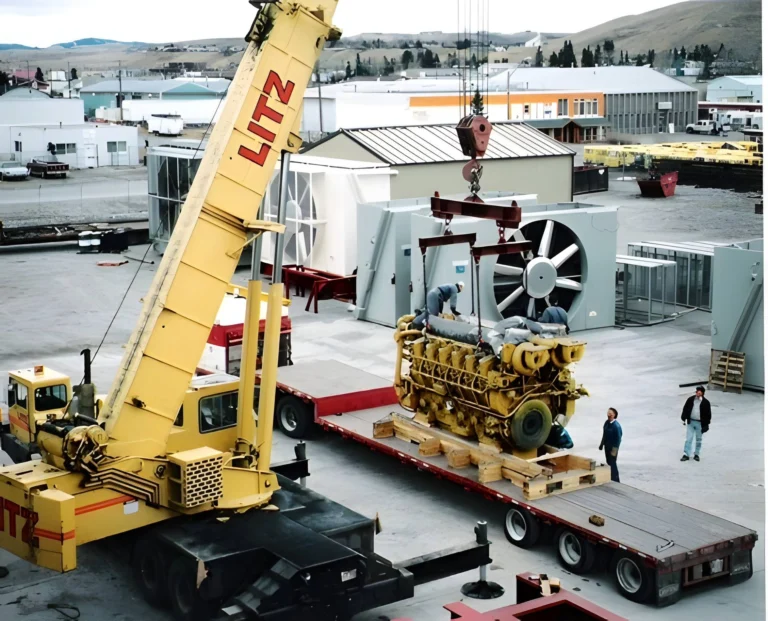
- Transport and lift plan developed with the engineering
- Why build a fractionation plant in modules
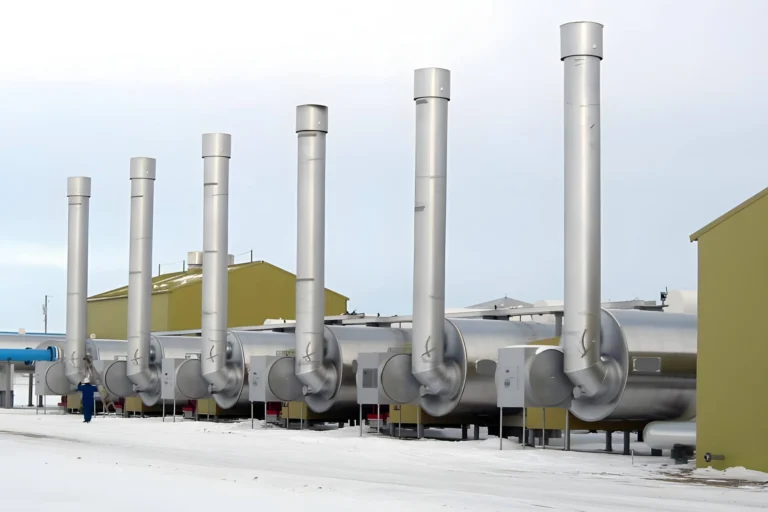
- Engineered in Canada, installed in Alaska
- Modular NGL fractionation plant, with photos of the 3D model and the plant as built
Frequently asked questions
Is modular always cheaper?
Not always. Modules need extra structural steel, transport and engineering effort. The savings usually come from a shorter schedule, less site labour and lower weather risk, so they are largest at remote or high-cost sites.
How big can a module be?
It depends on the route. For road transport in Alberta, limits are set by permits for width, height and weight, and by bridges and overhead lines. For sealift and heavy-haul projects, modules can be much larger.
Can an existing facility be expanded with modules?
Yes. Modules are a good way to add capacity to an operating plant because they reduce the work and the number of people near live equipment.
Have a part number or a nameplate photo?
Request a quote