Engineered in Canada, installed in Alaska: building modules for the North Slope
CHR engineering team,
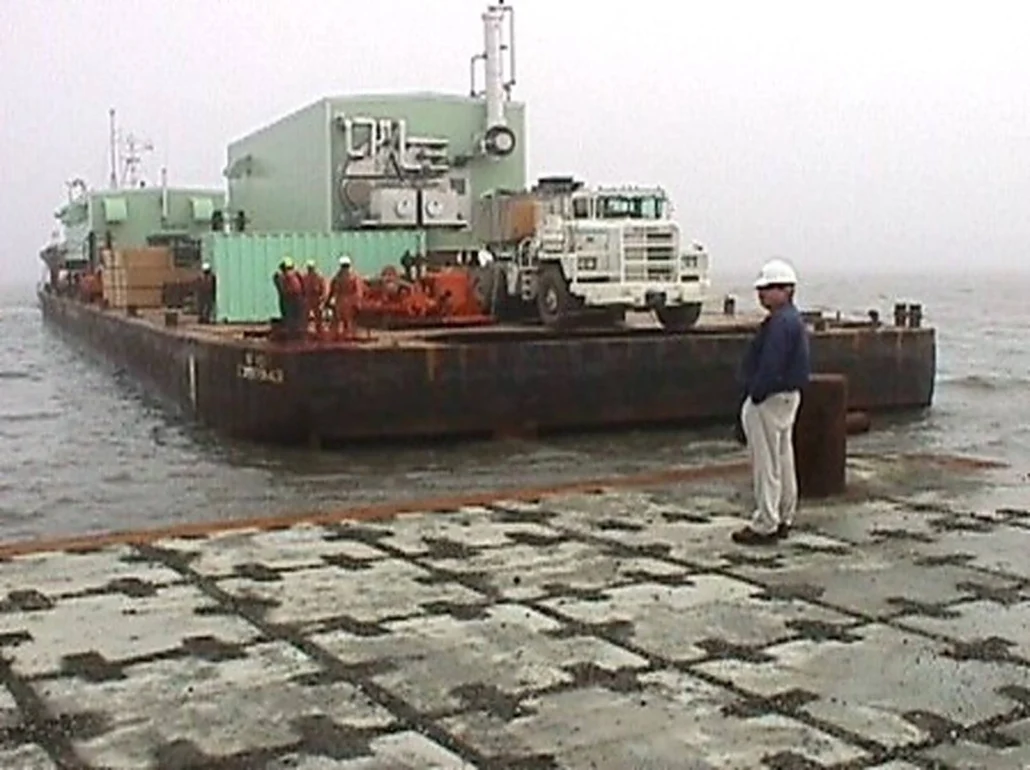
Most oil and gas facilities on Alaska’s North Slope are built as large modules in fabrication yards far to the south and shipped north by sea during the short summer open-water season. That sets hard limits: each module must fit the barge and the haul route, be as complete as possible before it leaves, and survive Arctic conditions once it arrives.
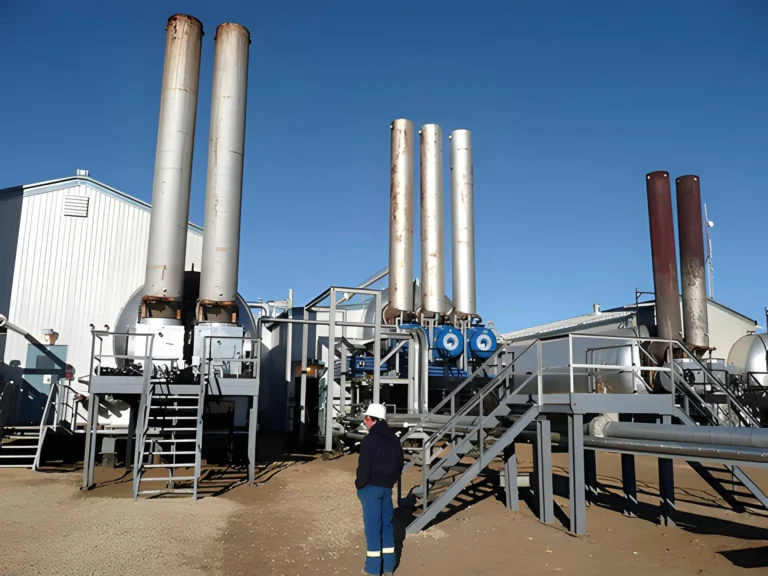
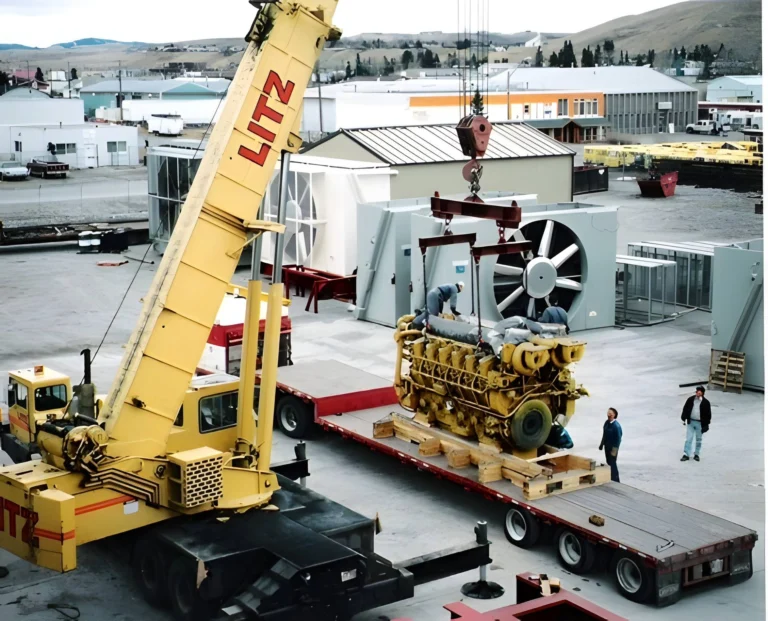
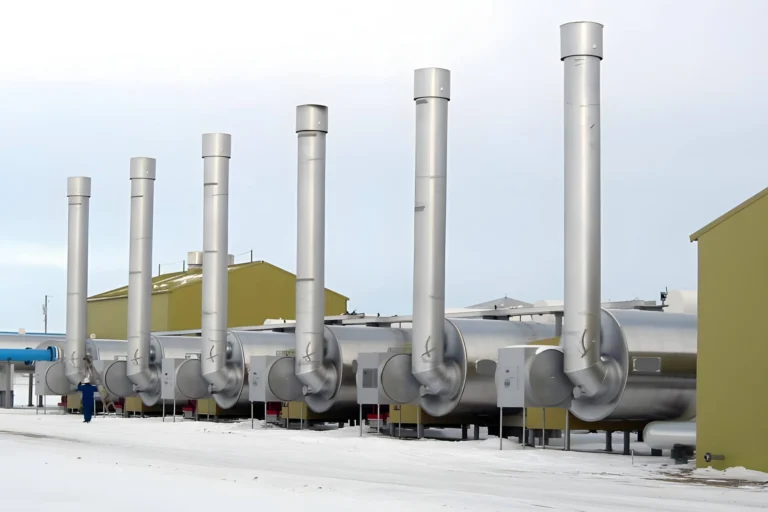
CHR personnel worked on the Badami development on the North Slope: oil processing with high-pressure gas re-injection at 42.5 MPa (6,165 psi). The compressor modules were engineered and built in Canada and then barged to the North Slope.
Why build in modules for the Arctic?
- Site work in the Arctic is slow and expensive. Short seasons, extreme cold, remote camps and limited labour make every hour on site costly.
- Fabrication yards are productive. Shops have the people, cranes and indoor space to build and test the modules properly.
- Quality and testing before shipment. Modules can be pressure-tested, wired and partly commissioned before they leave.
Constraints that shape the design
The sealift window
Barges can reach the North Slope only when the sea ice opens, typically for a few weeks in late summer. Missing the window can delay a project by a year, so fabrication schedules work back from the sailing date.
Module size and weight
Modules must fit the barge, the load-out and the haul route on the North Slope, and the equipment available to set them. These limits are decided early and drive the whole layout.
Arctic design conditions
- Design temperatures far below anything in southern Canada, which affects materials (impact-tested steels), lubricants, seals and instruments
- Fully enclosed, heated modules with ventilation and gas detection
- Snow and wind loads, and drifting snow around buildings
- Foundations on permafrost, usually elevated so heat from the modules does not thaw the ground
High-pressure gas re-injection
Re-injecting gas into the reservoir at 42.5 MPa requires multistage compression, high-pressure piping and careful attention to vibration, relief systems and materials.
Lessons that apply to any modular project
- Fix module sizes and interfaces early.
- Finish as much as possible in the shop: hook-up on site is where schedules slip.
- Plan transport and lifting with the engineering, not after it.
- Test and pre-commission in the yard.
Read why build a fractionation plant in modules and stick-built vs modular, see the Badami project, or contact us.
Frequently asked questions
How are modules shipped to the North Slope?
Usually by ocean-going barges during the summer sealift, then moved on site by heavy transporters to their foundations.
What happens if a module misses the sealift?
It may have to wait until the next open-water season, which is why sealift dates are among the most important milestones on Arctic projects.
Can Canadian fabricators build to US codes?
Yes. Canadian fabricators routinely build to the codes and standards required by the destination, including US codes for Alaska.
Have a part number or a nameplate photo?
Request a quote