Why build a fractionation plant in modules
CHR engineering team,
Building a fractionation plant in modules moves most of the work from the site into a fabrication shop: modules are built and tested while site work goes ahead, then shipped and connected. The result is a shorter schedule, less weather risk and less work at the site, in return for early design decisions on module size, interfaces and transport.
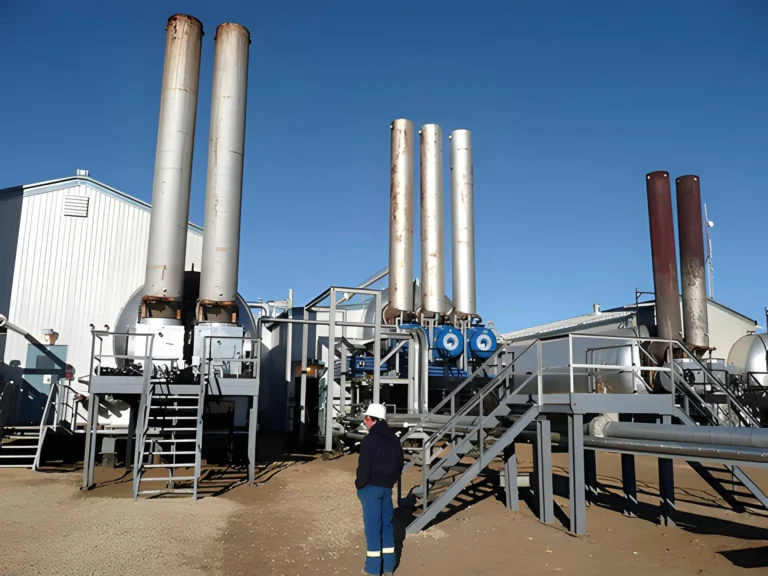
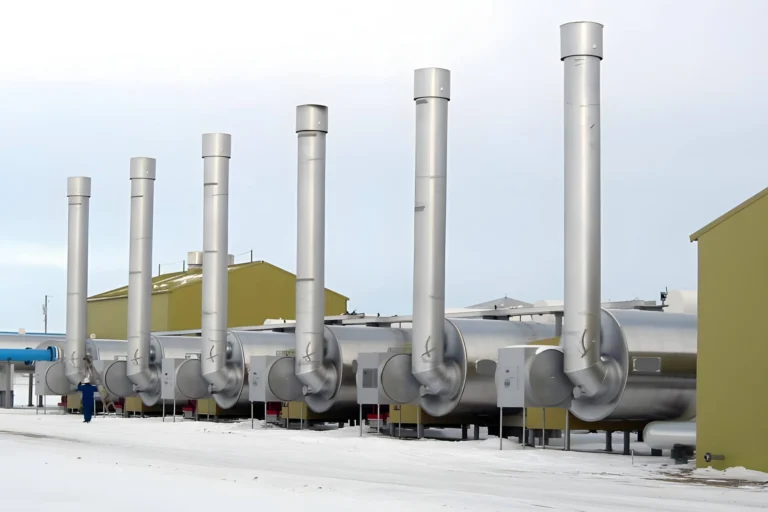
A gas plant in Alberta needed to add NGL fractionation: a 79 m³/h (12,000 bbl/d) plant producing C3 to C5+ products. The schedule was tight, and Alberta’s construction season is short. The plant was designed in modules so that as much work as possible could be done in a fabrication shop instead of on site. It started up in November 2009.
What “modular” means here
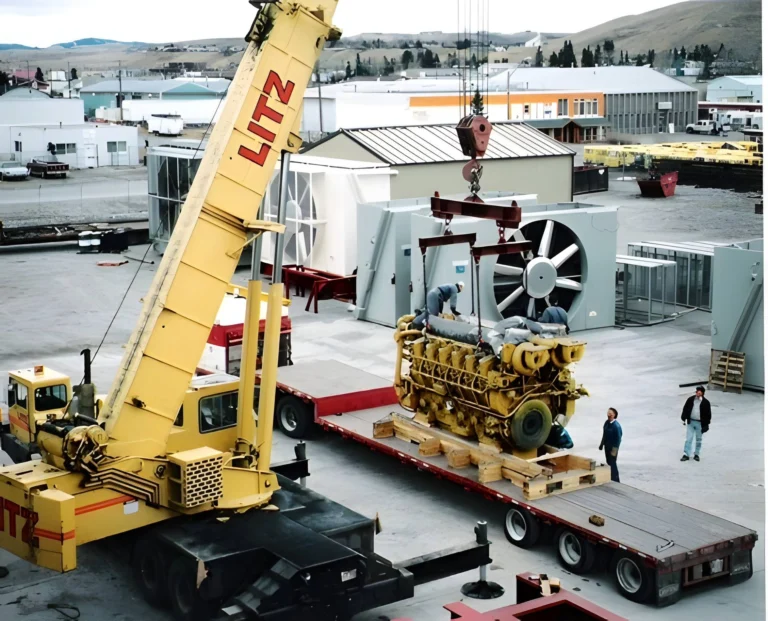
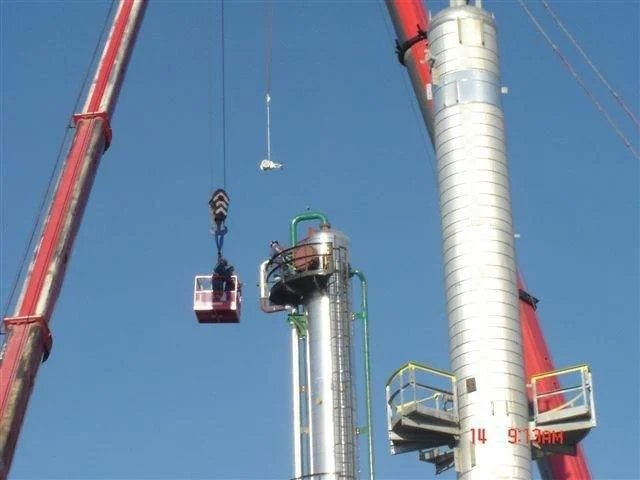
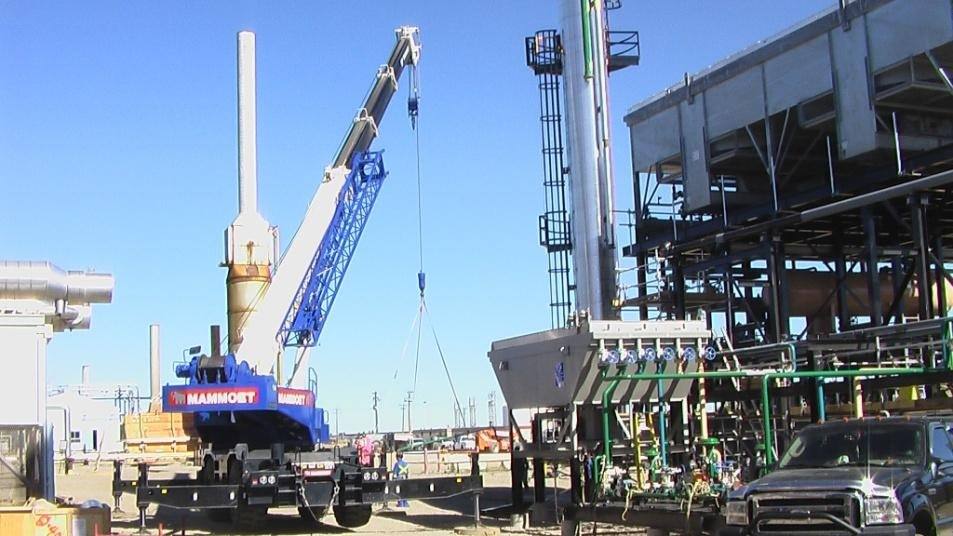
The plant was split into modules: pipe rack sections and equipment skids sized so they could be built and tested in a shop, then shipped by road. Large items such as the columns were set by crane on site, and the modules were connected around them.
Why it helps
- Parallel work. Modules are fabricated in the shop while foundations and site work go ahead. On a conventional stick-built job these happen one after the other.
- Less weather risk. Welding, painting and testing indoors does not stop for cold or rain.
- Shorter site construction. Fewer workers on site for less time, which matters most at an operating plant.
- Better quality control. Shop conditions make inspection and testing easier.
What it asks of the engineering
Modular design is more than stick-built design cut into pieces. It needs decisions early on:
Module size and weight
Every module must fit road transport limits and the cranes available. This sets the plant layout from the start.
A complete 3D model
The model is where clashes between modules, piping and steel are found before fabrication. On this project the 3D model was developed in enough detail that the photos of the finished plant look almost the same as the model.
Interfaces
Every connection between modules, and between modules and the site, has to be defined, dimensioned and checked. Most site problems on modular projects come from the interfaces.
Early decisions
Changes after modules are in fabrication are expensive, so process configuration and the main equipment have to be fixed earlier than on a stick-built job.
CHR’s leadership spent years in fabrication shops before engineering whole facilities. That experience shows in modular work, where the design has to suit the people who build it.
See the modular NGL fractionation plant for photos of the 3D model next to the plant as built, or ask us about a modular approach for your project on the contact page.
Frequently asked questions
What does an NGL fractionation plant do?
It separates a mixed stream of natural gas liquids into products such as propane, butane and pentanes plus (C5+, condensate) by distillation in a series of columns. This plant produced C3 to C5+ products.
What is a C3 to C5+ product?
C3 is propane, C4 is butane, and C5+ is pentanes and heavier hydrocarbons, often called condensate or natural gasoline.
How much faster is modular construction?
It depends on the project, but the main gain is running fabrication and site work in parallel instead of in sequence, and working indoors through Alberta’s winter.
Is modular construction suitable for every plant?
No. See stick-built vs modular construction for how to choose.
Have a part number or a nameplate photo?
Request a quote