How salt-cavern NGL storage works
CHR engineering team,
Salt-cavern storage keeps natural gas liquids (NGLs) such as ethane, propane, butane and condensate in large caverns dissolved out of underground salt. The caverns are made by solution mining: fresh water is pumped into a well drilled into the salt, dissolves it and returns to the surface as brine. Most NGL caverns are then operated full of liquid: product pumped in pushes brine out, and brine pumped in pushes product out.
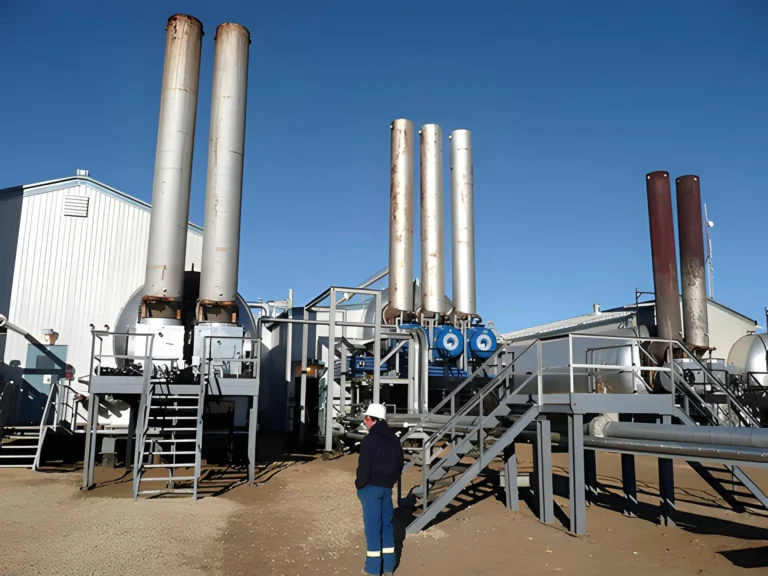
Alberta has thick salt formations, and the Fort Saskatchewan area near Edmonton is one of North America’s largest NGL storage hubs. CHR personnel carried out about twenty projects from 2010 to 2016 at one of these facilities. This is how such a facility works.
Why store NGLs in salt?
- Salt is nearly impermeable, so it holds liquids and gases securely.
- Salt flows slowly and seals itself, so small cracks close.
- Caverns are cheap per unit of volume compared with steel tanks or spheres, and they are safe from fire and weather at the surface.
- Large volumes: a single cavern can hold hundreds of thousands to millions of barrels.
Step 1: making the cavern by solution mining
- A well is drilled into the salt formation and cased.
- Fresh water is pumped down through the well.
- The water dissolves salt and returns to the surface as saturated brine.
- The shape of the cavern is controlled by where the water is injected and where brine is withdrawn.
- Washing continues for months or years until the cavern reaches its planned size.
- The well is then converted from washing service to storage service, with a new wellhead and product piping.
The brine produced during washing must go somewhere: into brine ponds for later use, or into brine disposal wells.
Step 2: storing and withdrawing product (brine displacement)
Most NGL caverns are brine-compensated, so the cavern is always full of liquid:
- To store product, product is pumped into the cavern. Because NGLs are lighter than brine, they collect at the top and push brine out through a separate tubing string to the brine ponds.
- To withdraw product, brine is pumped back into the bottom of the cavern and pushes the product up and out.
The brine system is therefore as important as the product system: brine ponds, brine pumps, piping, control valves and disposal wells.
Step 3: the surface facility
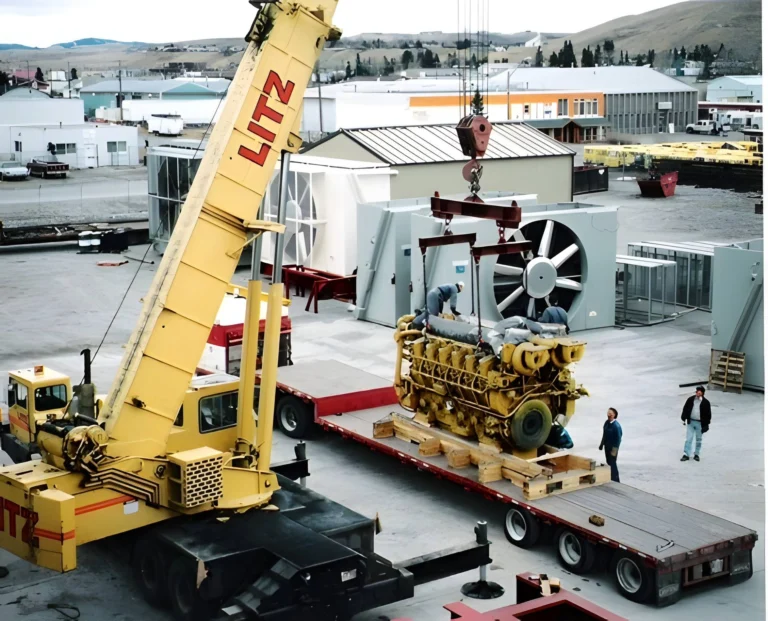
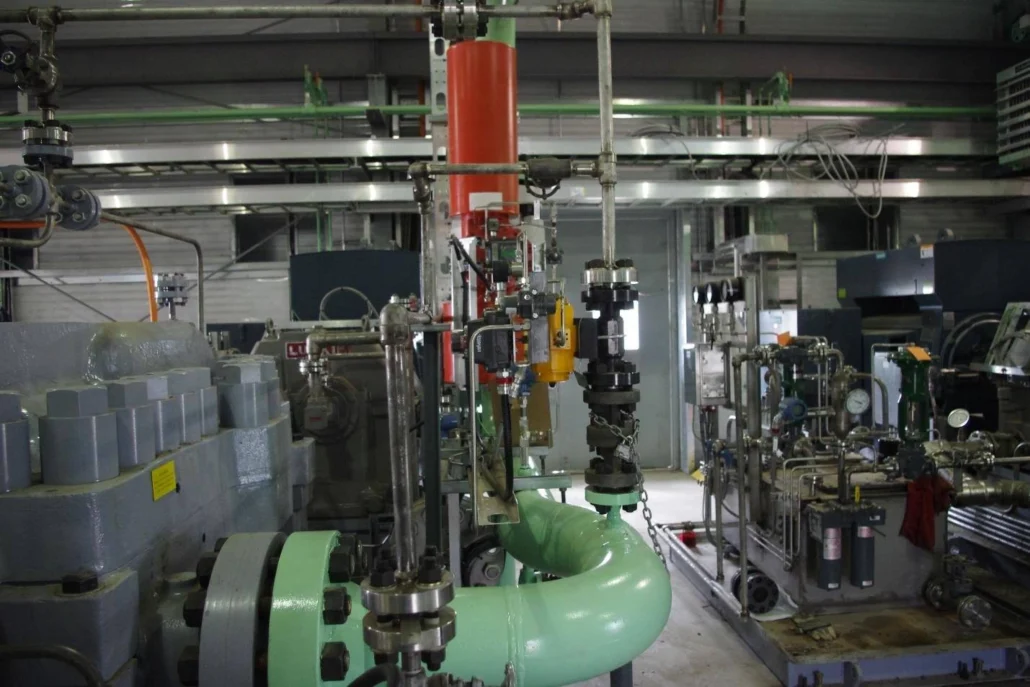
- Injection pumps: pushing product into a deep cavern takes high pressure. At the facility we worked on, the injection pumps were API 610 units of 1,306 kW (1,750 hp) each, up to 250 m³/h per pump, with piping rated to ANSI Class 1500 (255 bar).
- Brine pumps and ponds
- Metering and meter provers for custody transfer
- Pipeline connections and booster pumps to move product to and from pipelines and fractionation plants
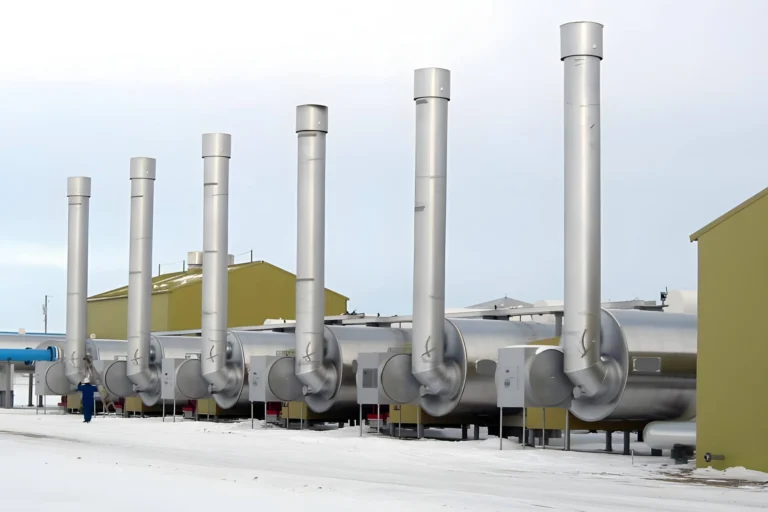
- Flare and relief systems sized for the facility’s process upsets
What it means for engineering
- The facility never stops, so new equipment goes in next to live systems.
- Caverns are added over years, so the plot plan, future tie-ins and the brine system must be planned for growth.
- Pressures are high, so piping design, overpressure protection and registration with ABSA, Alberta’s pressure equipment safety authority, get close attention.
- Adding equipment to a facility that can’t stop running
- Need a pump running fast: remanufactured API 610 pumps
- The cavern storage facility program, with photos
Frequently asked questions
How deep are NGL storage caverns?
Typically hundreds of metres to more than a kilometre below ground, depending on where the salt formation lies.
How long does it take to wash a new cavern?
Usually many months to several years, depending on the planned size and the water and brine handling capacity. Adding brine disposal capacity is one way to wash caverns faster.
Can gas also be stored in salt caverns?
Yes. Natural gas and hydrogen are stored in salt caverns too, but usually as compressed gas without brine, so the design of the surface facility is different.
Have a part number or a nameplate photo?
Request a quote