Adding equipment to a facility that can’t stop running
CHR engineering team,
Adding equipment to an operating oil and gas facility safely comes down to six practices: construction methods that keep away from live systems, tie-ins built ahead for future projects, one up-to-date equipment list, regulatory work (noise, pressure piping) planned from the start, a current plot plan, and hydraulic checks before adding capacity.
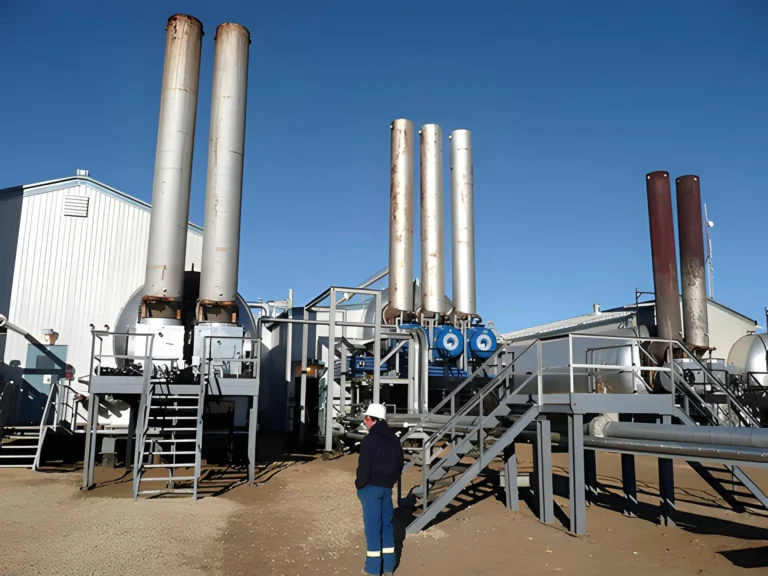
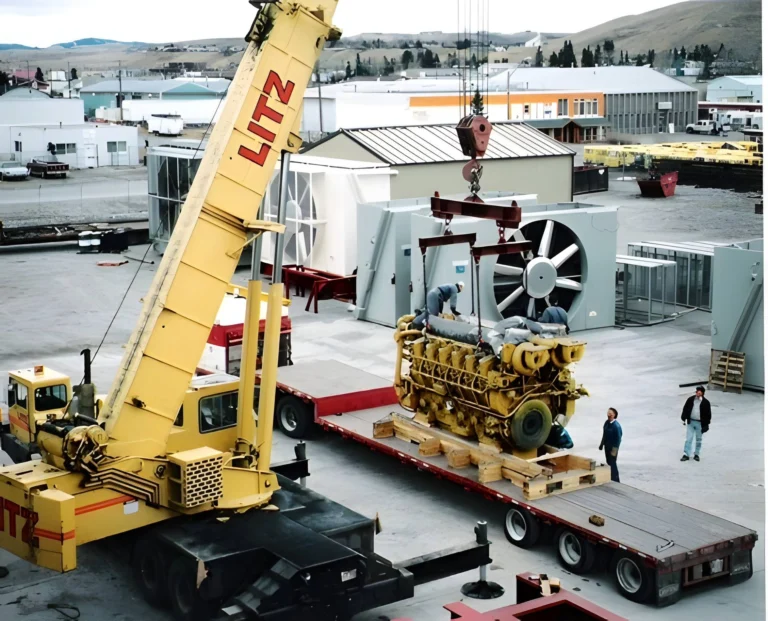
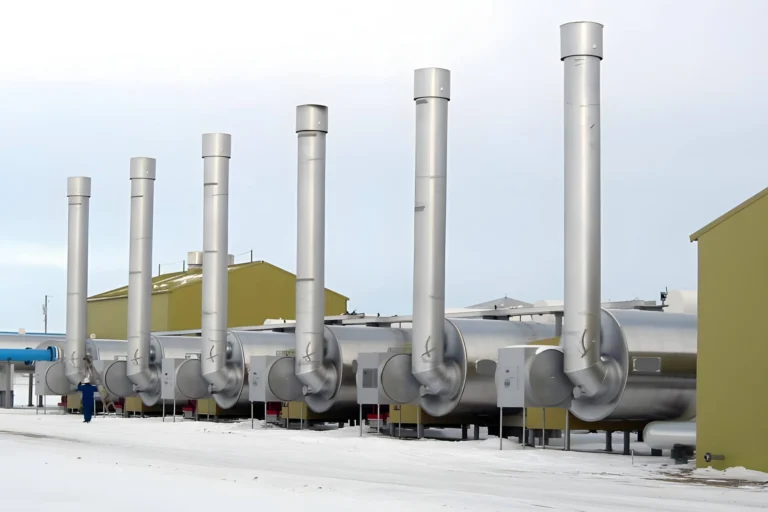
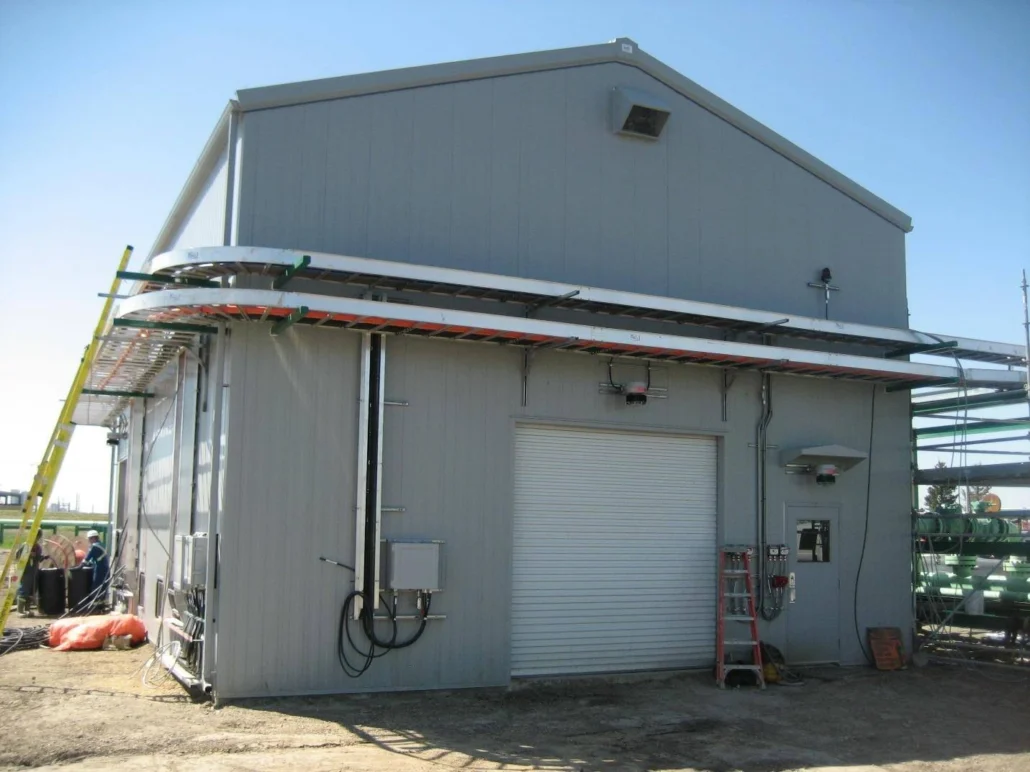
From 2010 to 2016, CHR personnel carried out about twenty projects at one salt-cavern hydrocarbon liquids storage and fractionation facility in Alberta. The work ranged from four 1,306 kW injection pumps and a new pump building to brine system upgrades, new cavern piping and studies for future expansion.
The facility kept operating the whole time. These are the practices that made the difference.
1. Choose construction methods that leave the plant alone
New brine piping had to run through areas of the operating facility. Instead of open trenches, it was installed with trenchless pipeline technology. Fewer excavations near live equipment means less risk and fewer interruptions to operations.
2. Leave tie-ins for the next project
When new area piping was built, future tie-ins were added to it for caverns still in the planning stage. Connecting later then does not require modifying live piping, which is one of the most expensive and risky jobs in an operating plant.
3. Keep one equipment list, even when projects overlap
With several projects running at the same time, the facility’s equipment list and documentation can quickly fall behind what is actually installed. CHR spent dedicated effort updating the overall equipment list with the new equipment from all projects, so operations and the next project team start from the same, correct information.
4. Treat regulatory work as part of the project
- Noise: each new pump or compressor is a new noise source. The facility’s noise impact assessment was updated with a third-party specialist as projects added equipment.
- Pressure piping: existing and new piping in one system was reviewed with HAZOP and LOPA sessions and registered with ABSA, Alberta’s pressure equipment safety authority. See registering pressure piping with ABSA.
Leaving these steps to the end of a project is a common cause of delays.
5. Plan the whole site
The facility plot plan was updated more than once to show future caverns and equipment. A current plot plan lets each new project find space, routes and tie-in points without blocking the next one.
6. Check the hydraulics before adding capacity
Before the brine system was expanded for new caverns, a hydraulic review of the line loop and control valves showed what had to change. Before more condensate came in, a debottlenecking study looked at the inlet metering and piping. Small studies like these prevent expensive surprises after start-up.
A team that knows the facility can move faster on each new project: the drawings, the people and the constraints are already familiar. See the cavern storage facility program for the project list and photos, or contact us about work at your facility.
Frequently asked questions
What is a brownfield project?
A project at an existing, usually operating, facility, as opposed to a greenfield project on a new site. Brownfield work adds the challenges of live systems, limited space and incomplete records of what is installed.
What is trenchless pipeline technology?
Methods that install pipe underground without open trenches, such as horizontal directional drilling or boring. They reduce excavation near live equipment and disruption to operations.
Why plan tie-ins for future projects?
Connecting to live piping later requires isolation, purging and often hot work in an operating plant. Adding a valved tie-in while the new piping is built is far cheaper and safer.
What is a noise impact assessment (NIA)?
A study of the noise a facility makes at nearby residences. In Alberta, facilities must meet the AER’s noise requirements, and the assessment is updated when new noise sources, such as pumps and compressors, are added.
Have a part number or a nameplate photo?
Request a quote