Worn camshafts on compressor and generator engines
CHR engineering team,
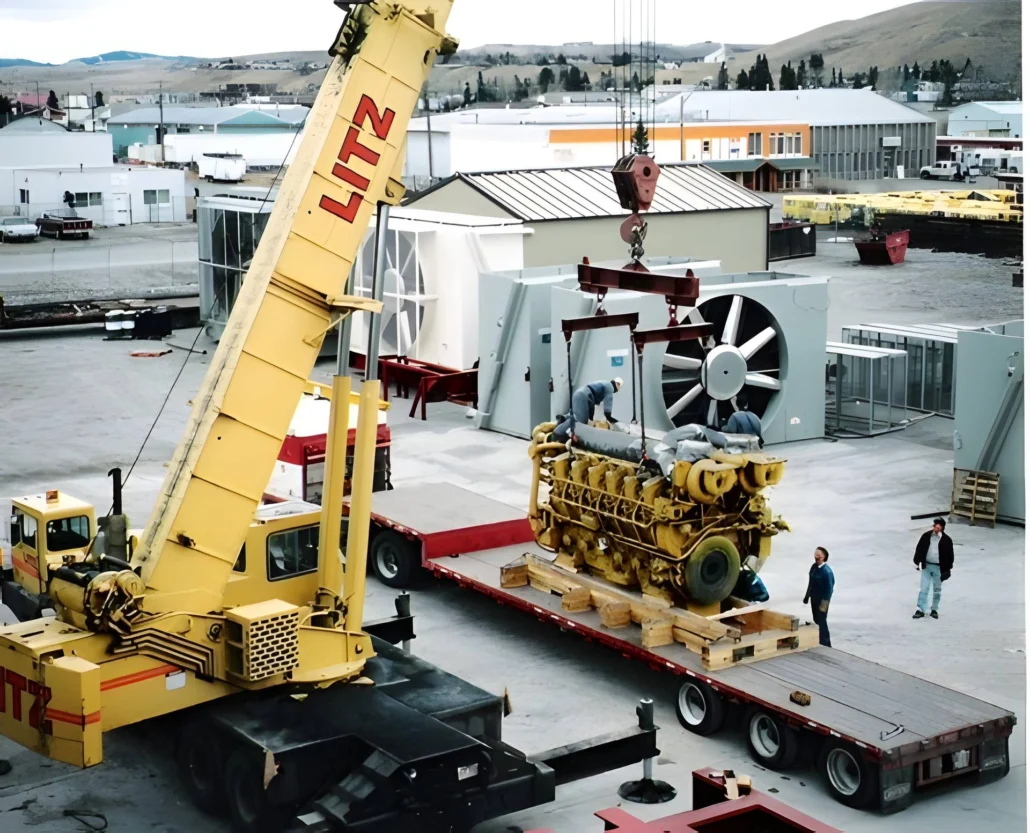
On a compressor or generator package, the camshaft sits in the reciprocating engine that drives it: the natural gas or diesel engine of a separable compressor, an integral engine-compressor or a generator set. Gas turbines and centrifugal compressors have no camshaft. When a camshaft wears out on an older engine, a new one can be made to drawing or from the old part, even when the original is no longer available.
A camshaft opens the intake and exhaust valves, and on many engines drives the fuel injection pump or the ignition timing. Wear on a lobe changes valve lift and timing, so the engine loses power, runs hotter or misfires long before anything breaks.
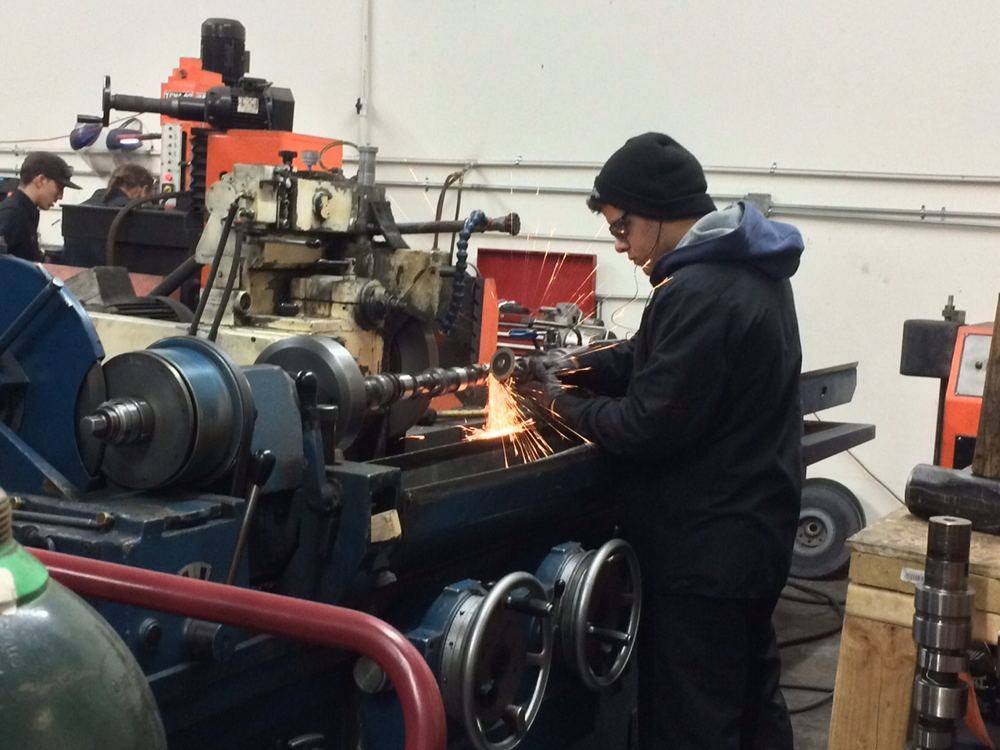
Signs of a worn camshaft
- Lobes that are pitted, flattened or polished unevenly
- Pitted, spalled or seized cam followers (tappets or roller followers)
- Valve lash that keeps opening up on the same cylinder
- Loss of power, high exhaust temperature or misfire on one or more cylinders
- Metal particles in the oil filter or in an oil analysis
- Ticking or knocking from the valve train
Common causes
- Lubrication problems: low oil pressure, wrong oil, high soot or fuel dilution, or long intervals between oil changes.
- Follower failure: a seized roller or a pitted tappet destroys the lobe it runs on.
- Incorrect valve lash: too little or too much clearance raises contact stress.
- Break-in: a new camshaft with old followers, or no break-in procedure, can wear quickly.
- Age: on engines with very long running hours the hardened surface simply wears through.
Replace the followers together with the camshaft. A new camshaft running on old followers often fails early.
Regrind, used or new?
- Regrind: possible when the wear is shallow and the hardened layer is deep enough. The base circle is reduced, so valve lash has to be reset; lift may be slightly lower.
- Used or surplus: sometimes available for common engines, but check its history and condition.
- New, made to drawing: the right choice for obsolete engines, damaged lobes or journals, or when no OEM part is available.
What is needed to make a camshaft
- The OEM drawing, if you have it, or the old camshaft as a sample
- Engine make, model and serial number (a nameplate photo is ideal)
- Lobe profiles and timing: measured from the sample on a coordinate measuring machine when there is no drawing
- Journal diameters, length, keyways, gear and timing marks
- Material and surface hardness: checked on the sample if not on the drawing
- Balance requirements, and any balance weights that go with it
From a sample, the shop measures the profiles, analyses the material and hardness, issues a drawing for your approval, then machines, hardens, grinds and balances the camshaft. We also supply balance weights, precision shafts and fuel-injection pump cams the same way.
Send the engine nameplate photo, and the drawing or photos of the old camshaft, on the quote form. See also bearings and camshafts made to drawing.
CHR is an independent supplier and is not an authorized dealer of the manufacturers named.
Frequently asked questions
Can a camshaft be made without a drawing?
Yes. The old camshaft is measured and its material tested, and a drawing is made from it for your approval before manufacture. A badly worn sample still works: the profile is taken from the least worn lobes and checked against the engine’s valve timing.
Do gas turbines have camshafts?
No. A gas turbine has no valves to open, so there is no camshaft. On a turbine-driven package the parts that wear are bearings, seals and accessories; see gas turbine replacement parts.
How long does a new camshaft take?
Usually several weeks, longer for very large camshafts or special materials. Regrinding is faster when it is possible.
Have a part number or a nameplate photo?
Request a quote