Registering pressure piping with ABSA in Alberta: what’s involved
CHR engineering team,
In Alberta, the design of most pressure piping systems must be registered with ABSA, the province’s pressure equipment safety authority, before the piping is built or put into service. Registration means submitting the design for review against the applicable codes and ABSA requirements, including how the system is protected against overpressure, and receiving a registration number.
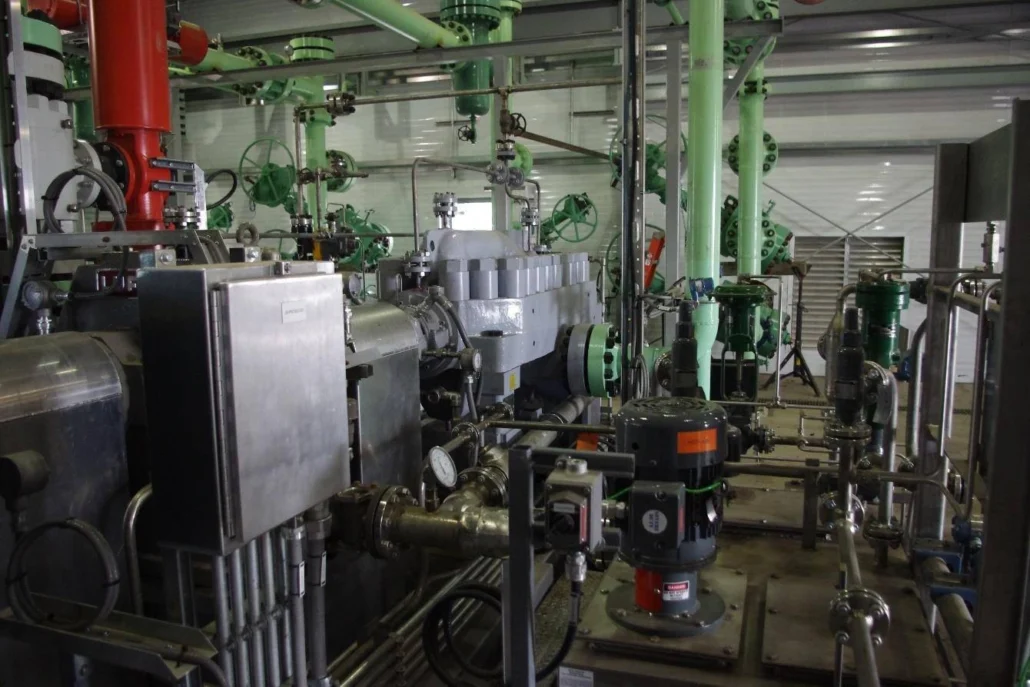
CHR personnel completed the ABSA registration of existing and new piping in a C2+ system at a cavern storage facility in Alberta. The work included HAZOP and LOPA review sessions, follow-up process engineering and a review of the owner and design requirements against ABSA’s overpressure protection requirements (AB-525).
Who is ABSA?
ABSA is the delegated authority that administers Alberta’s pressure equipment safety legislation: boilers, pressure vessels, fired heaters and pressure piping. Owners of pressure equipment in Alberta are responsible for meeting these requirements.
What a piping registration involves
- Define the system: which lines, from where to where, design pressure and temperature, fluid, code (for example ASME B31.3 for process piping)
- Compile the design documents: P&IDs, line lists, piping specifications, design calculations
- Overpressure protection: show how every part of the system is protected against pressure above its design limit, by relief devices, design pressure or instrumented protection
- Submit for design registration and answer reviewer questions
- Construction, inspection and testing to the registered design, with the records kept
Why HAZOP and LOPA?
Overpressure protection has to consider realistic causes: blocked outlets, control valve failures, fire, thermal expansion of trapped liquid, connections to higher-pressure systems. A HAZOP systematically finds these scenarios. A LOPA (layer of protection analysis) checks whether the safeguards for each scenario are enough, and whether an instrumented safeguard needs to meet a specific reliability level.
Existing piping is the hard part
New piping is designed with registration in mind. Older piping and modifications made over many years often are not fully documented. Typical work includes:
- Walking down lines and updating P&IDs and line lists
- Confirming design conditions and materials
- Checking that relief devices are still adequate for current operation
- Resolving gaps where the original design basis cannot be found
Read how salt-cavern NGL storage works and adding equipment to a facility that can’t stop running, see the cavern storage facility program, or contact us.
Frequently asked questions
Does all piping need ABSA registration?
No. Some piping is exempt based on size, pressure, fluid and other criteria set out in the regulations. Check the current exemptions for your system.
How long does registration take?
It depends on the system’s size, the quality of the documents and ABSA’s review. Complete, consistent documents are the best way to avoid delays.
What is AB-525?
An ABSA document setting out overpressure protection requirements for pressure equipment in Alberta. Check ABSA’s website for the current version.
Have a part number or a nameplate photo?
Request a quote