Lead times for compressor and engine parts: what makes them longer or shorter
CHR engineering team,
Lead time for a compressor or engine part depends on three things: whether it is in stock somewhere, whether it has to be made, and how far it has to travel. A stocked wear part can ship in days; a made-to-order casting or crankshaft can take many months. Most delays, though, come from incomplete information at the start, which is the part buyers control.
What drives lead time
Stock availability
Common wear parts for popular compressors and engines (valves, packing, rings, gaskets, filters) are often in stock with the manufacturer, distributors or independent suppliers.
Made-to-order parts
Castings, forgings, crankshafts, cylinders and large pump casings are usually made when ordered. Foundry and machining capacity sets the lead time.
Obsolete or old models
Parts for older units may no longer be stocked. They may be available from surplus, from qualified equivalent manufacturers, or by reverse engineering, each with its own lead time.
Documentation and testing
Material certificates, inspections, witness tests and special documentation all add time. Ask only for what you need, but ask at the start.
Transport and customs
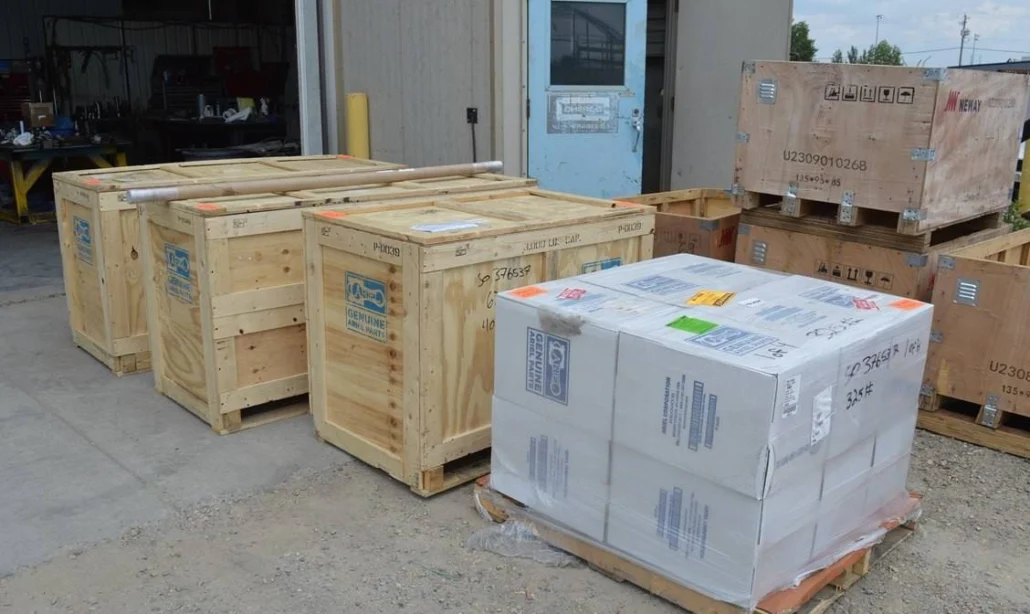
Road freight within North America takes days; sea freight to Europe or Asia takes weeks; air freight is fast but costly for heavy parts. Export documents and customs clearance add time at each border.
Seven ways to get parts faster
- Send complete information first time: nameplate photo, serial numbers, part numbers, quantities, operating conditions and ship-to country.
- Accept equivalent options: a qualified equivalent may be available long before the OEM part.
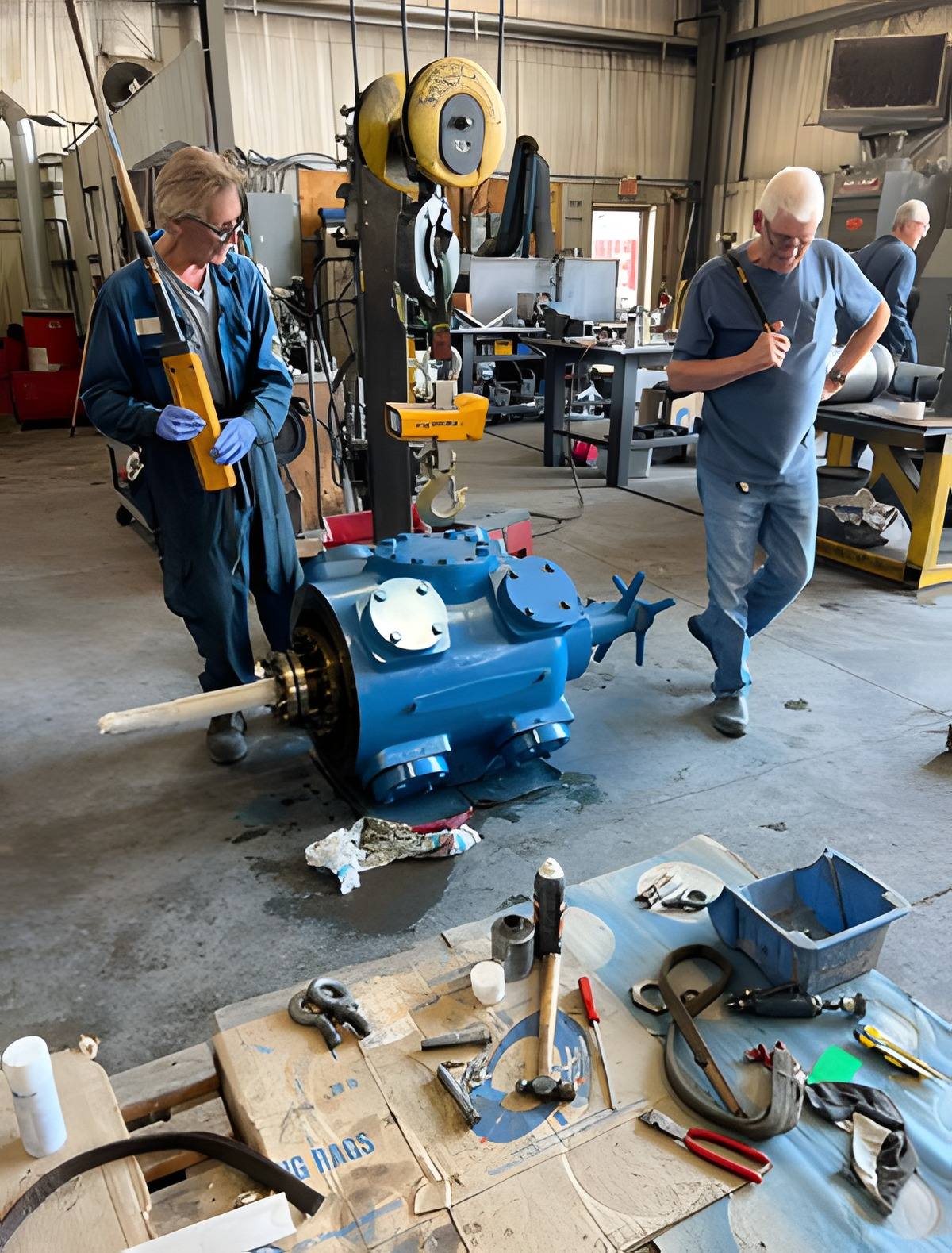
- Consider remanufactured equipment: for large items such as pumps, a remanufactured unit can save months. See remanufactured API 610 pumps on a short schedule.
- Repair instead of replace: shops can often rebuild a component faster than a new one can be made.
- Keep critical spares: valves, packing and seals for your critical units, on the shelf.
- Plan overhauls early: order long-lead parts months before a planned turnaround.
- Agree documentation and inspection up front, so they do not hold up a finished part.
Typical lead time ranges
| Type of part | Typical range |
|---|---|
| Stocked wear parts (valves, packing, rings, gaskets) | Days to a few weeks |
| Machined parts from existing patterns | Several weeks to a few months |
| Castings, forgings, crankshafts | Several months |
| Large new pumps or compressors | Many months |
These are general ranges only; every quote should state the lead time per line.
Send part numbers or a nameplate photo, quantities and your required date on the quote form. Read also how to pack parts for shipment.
CHR is an independent supplier and is not an authorized dealer of the manufacturers named.
Frequently asked questions
Why does the same part have different lead times from different suppliers?
Suppliers source differently: from stock, from the manufacturer’s queue, or from other channels. Ask each supplier whether the part is in stock or on order, and from where.
Is air freight worth it?
For small, urgent parts that stop production, usually yes. For heavy parts, compare the freight cost with the cost of a few more days of downtime.
Can CHR expedite?
Yes. Tell us the date you need the part on the quote form and we will tell you what is realistic, including equivalent or remanufactured options.
Have a part number or a nameplate photo?
Request a quote