What a FEED study decides: the example of a deethanizer
CHR engineering team,
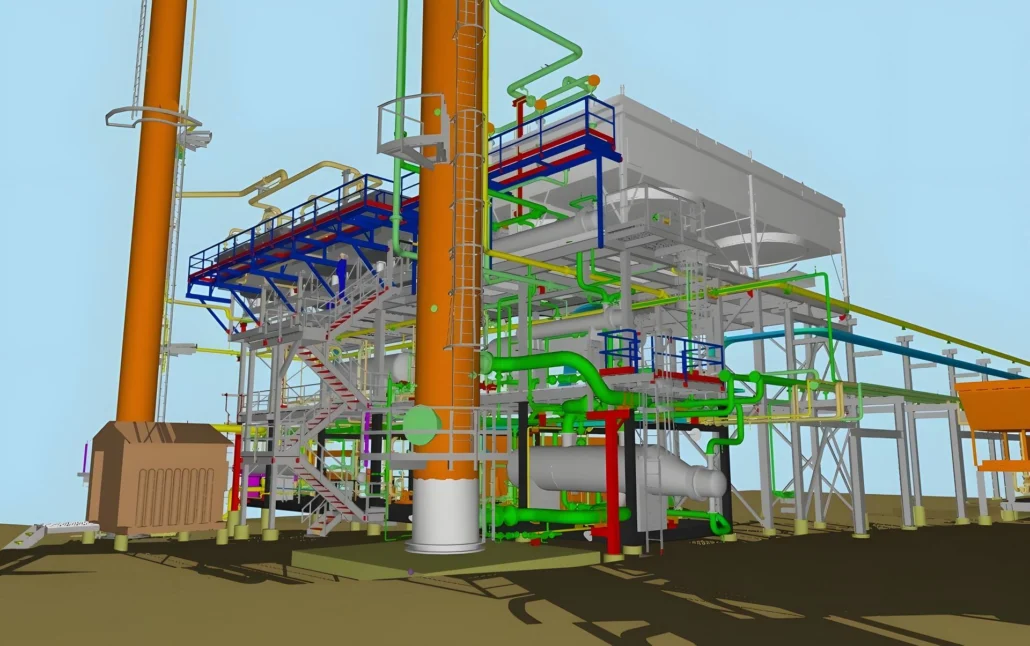
Front-end engineering design (FEED) is the engineering stage between the concept and detailed design. It fixes the design basis, the process design, the main equipment sizes, the plot plan and a cost estimate accurate enough for the owner to make the final investment decision. Most of a project’s cost is decided during FEED, even though FEED itself costs only a small share of it.
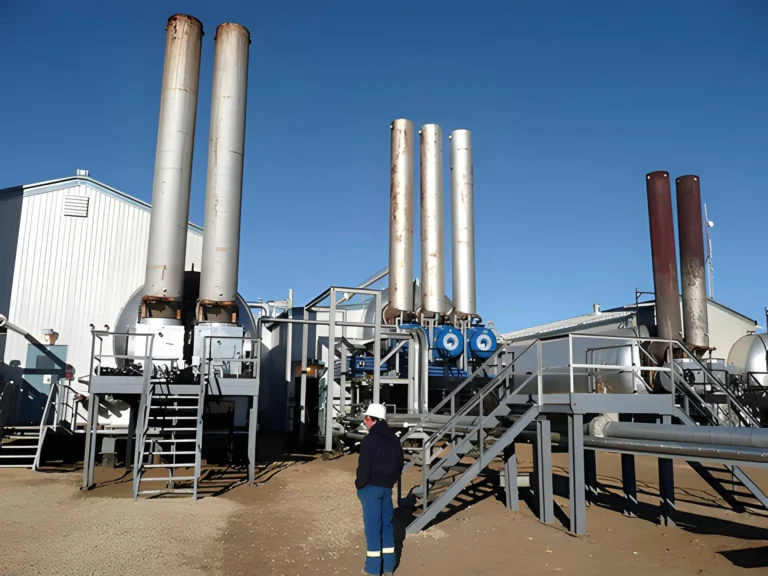
CHR personnel carried out the pre-FEED and FEED for a deethanizer addition at a cavern storage and fractionation facility in Alberta: one train with an inlet capacity of 218 m³/h (33,000 bbl/d) to split C2+ liquids into an ethane product and C3+.
Where FEED sits
- Concept / pre-FEED: is the project feasible, and which configuration is best?
- FEED: define the selected option well enough to estimate and approve it.
- Detailed engineering: produce the drawings and specifications to buy and build.
- Construction and commissioning
What FEED decides
Design basis
Feed composition and rates, product specifications, operating cases (summer, winter, turndown), site conditions and codes.
Process design
Heat and material balances from simulation, PFDs and preliminary P&IDs, control and safety philosophy.
Main equipment
Sizes and data sheets for columns, exchangers, pumps and compressors, so that long-lead items can be quoted.
Layout
Plot plan and tie-ins to existing facilities.
Cost and schedule
An estimate and schedule for the investment decision, with the main risks identified.
The deethanizer example
A deethanizer separates ethane, the lightest component, from the heavier liquids. Because ethane has a very low boiling point, condensing the column overhead needs refrigeration. The FEED defined:
- The column: about 3 m (10 ft) in diameter and 36 m (120 ft) high
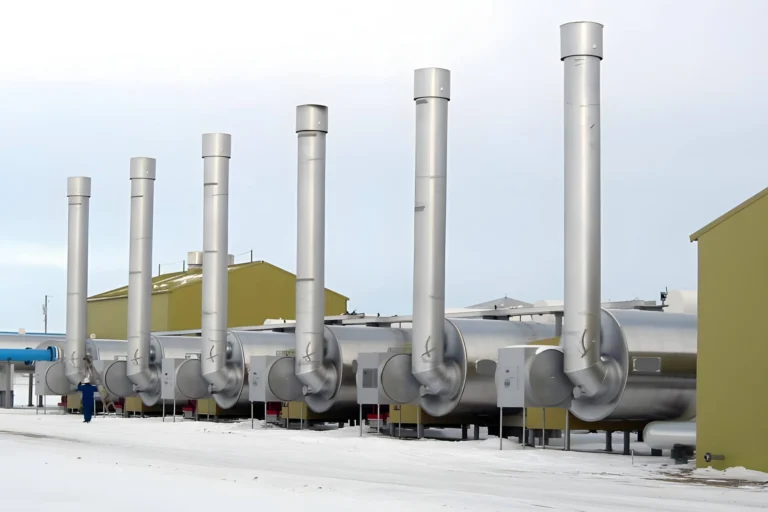
- The overhead condenser system with about 3,730 kW (5,000 hp) of refrigeration compression
- Integration with the existing facility’s inlet, storage and product systems
The refrigeration compressors are the largest power consumers and a major cost item, so optimizing column pressure against refrigeration duty is one of the key FEED trade-offs for a deethanizer.
Typical FEED deliverables
- Design basis memorandum
- Process simulation, heat and material balances
- PFDs and P&IDs (issued for design)
- Equipment list and data sheets
- Plot plan and preliminary layouts
- HAZOP or other process hazard review
- Cost estimate and schedule
- Execution plan and long-lead procurement strategy
See Engineering, the cavern storage facility program, or contact us about a study.
Frequently asked questions
How accurate is a FEED cost estimate?
Typically much more accurate than a concept estimate, good enough for the investment decision. The exact range depends on the project and the estimating standard used.
How long does FEED take?
From a few months for a single unit to a year or more for a large facility.
Can FEED be done by a different firm than detailed engineering?
Yes. Owners often use one firm for FEED and then tender detailed engineering or EPC on the FEED package. See owner’s engineer: when it pays.
Have a part number or a nameplate photo?
Request a quote