Need a pump running fast: remanufactured API 610 pumps for a pipeline reversal
CHR engineering team,
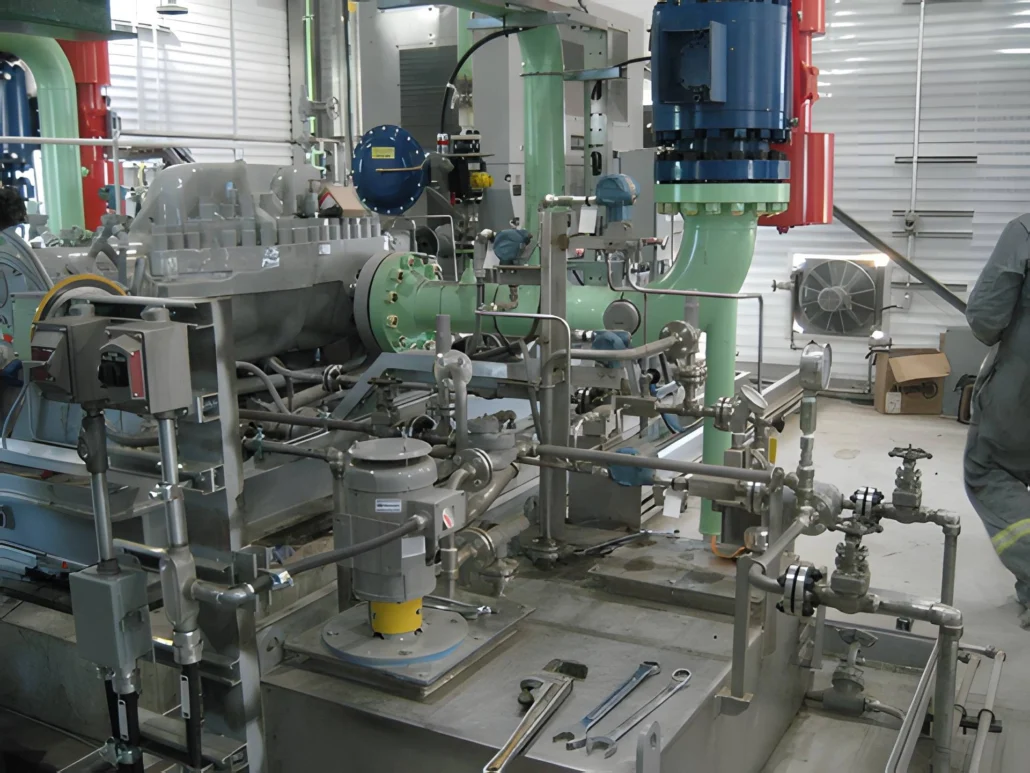
When a new API 610 pump cannot be delivered in time, a remanufactured pump can be the answer: an existing pump whose casing and major parts are inspected, worn components replaced or rebuilt, and the unit tested before shipment. Because the casing, the longest-lead item, already exists, it can save months.
A pipeline company decided to reverse one of its lines to bring light condensate into a storage and fractionation facility in Alberta. The facility needed two new condensate booster pumps, and the pipeline company needed them running on a very short timeline.
New API 610 pumps of that size are built to order, and the lead time did not fit the schedule. The answer was remanufactured pumps.
What was installed
- Two 1,118 kW (1,500 hp) API 610 condensate booster pumps
- A new pump building with the associated piping, valves and meters
- A new MCC building with variable frequency drives (VFDs), switchgear and cabling
Why remanufactured
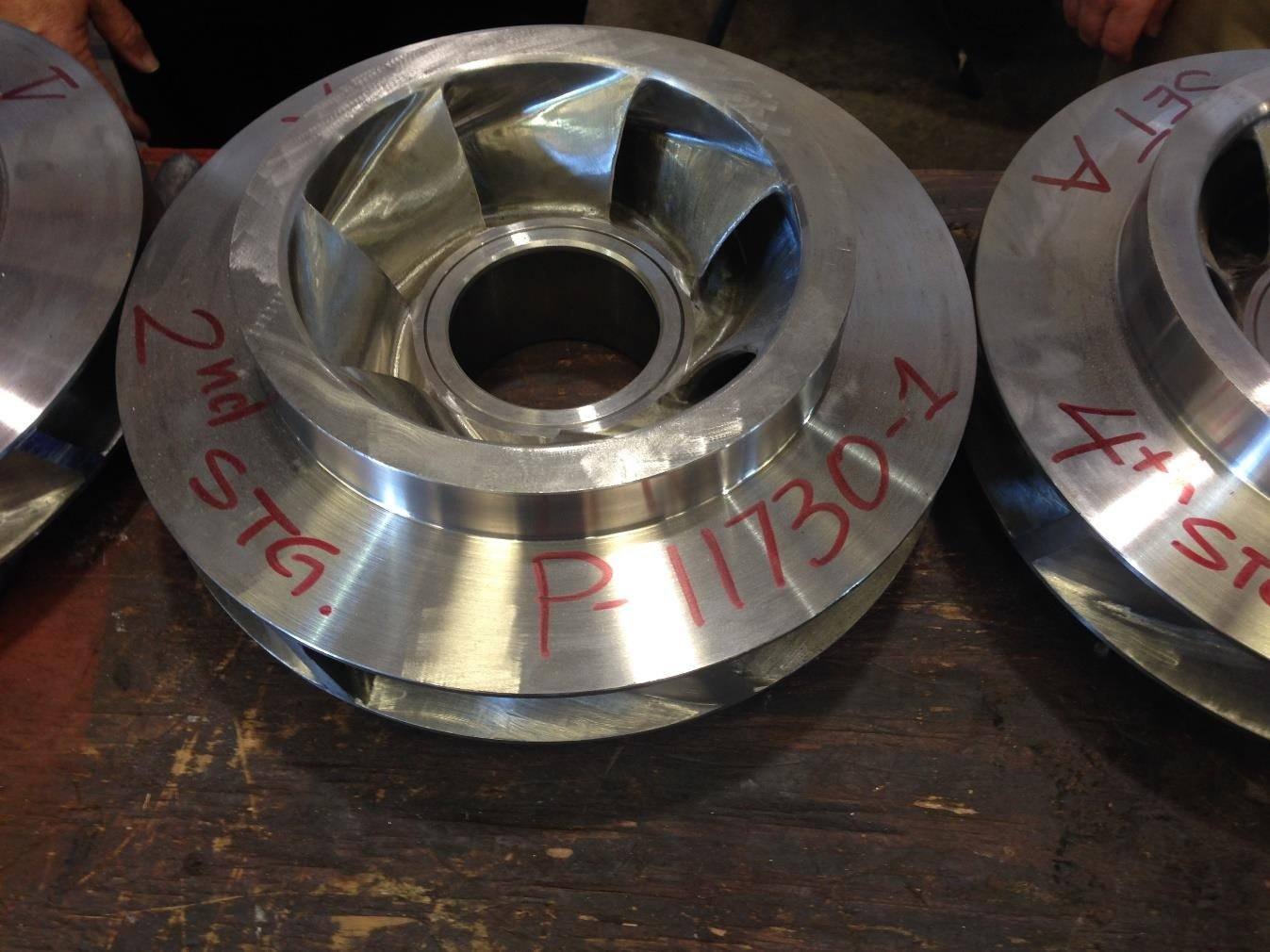
A remanufactured pump is not a used pump taken off a shelf. The casing and major parts are inspected, worn components are replaced or rebuilt, and the pump is tested before it ships. For a large API 610 pump this can save many months compared with a new unit, because the casing, the longest-lead item, already exists.
It made sense here because:
- The schedule was fixed by the pipeline reversal, not by the facility.
- Suitable pumps were available with deliveries that met the project dates.
- The service was well defined: condensate, known flow and pressure, so the remanufactured units could be checked against the duty before purchase.
What to check before you buy a remanufactured pump
1. Does the pump fit your duty?
Compare the rated flow, head and NPSH required with your process conditions; the frame size alone tells you little. Impellers can often be trimmed or replaced to match.
2. What was replaced, and what was reused?
Ask for the scope of the remanufacture: impellers, wear rings, shaft, bearings, mechanical seals, coupling. Ask for the inspection results of the parts that were reused.
3. How was it tested?
A performance test after remanufacture shows the pump meets its curve. Ask for the test report.
4. What documentation comes with it?
Data sheets, material certificates for new parts and the test records should be part of the package, just as for a new pump.
5. Will spare parts be available?
Check that seals, bearings and wear parts can be sourced for the model for the life of the installation.
On this project the same team engineered the pump building and electrical systems and found the pumps. That is what let the pumps arrive and fit on schedule. See the cavern storage facility program for the full project list and photos.
If you need equipment faster than the factory can deliver, send us the duty and the date on the quote form. We will tell you what is realistic.
Frequently asked questions
What is an API 610 pump?
A centrifugal pump built to API Standard 610, the American Petroleum Institute’s standard for pumps in petroleum, petrochemical and natural gas service. It sets requirements for design, materials, testing and documentation for heavy-duty process pumps.
Is a remanufactured pump as reliable as a new one?
A properly remanufactured and tested pump can give reliable service. Reliability depends on the quality of the work, which is why the scope of remanufacture, inspection records and the performance test matter.
How much time can a remanufactured pump save?
For large engineered pumps, new units are built to order and can take many months. A remanufactured unit that already exists may be available in a fraction of that time, depending on the work needed.
Can a remanufactured pump be adapted to a new duty?
Often yes: impellers can be changed or trimmed, and seals, bearings and couplings selected for the new service, within the limits of the casing.
Have a part number or a nameplate photo?
Request a quote