Designing sour gas facilities: what changes when the gas contains H₂S
CHR engineering team,
Sour gas is natural gas that contains hydrogen sulphide (H₂S). H₂S is highly toxic, corrosive and can crack susceptible steels, so sour facilities need materials qualified for sour service, gas detection and emergency systems, careful layout and a plan for removing and disposing of the sulphur. In Alberta, sour facilities are also subject to additional regulatory requirements from the Alberta Energy Regulator (AER).
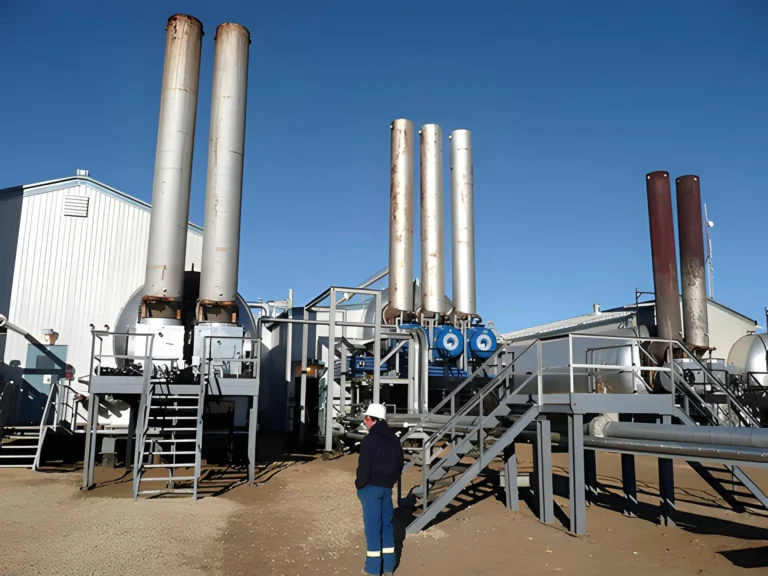
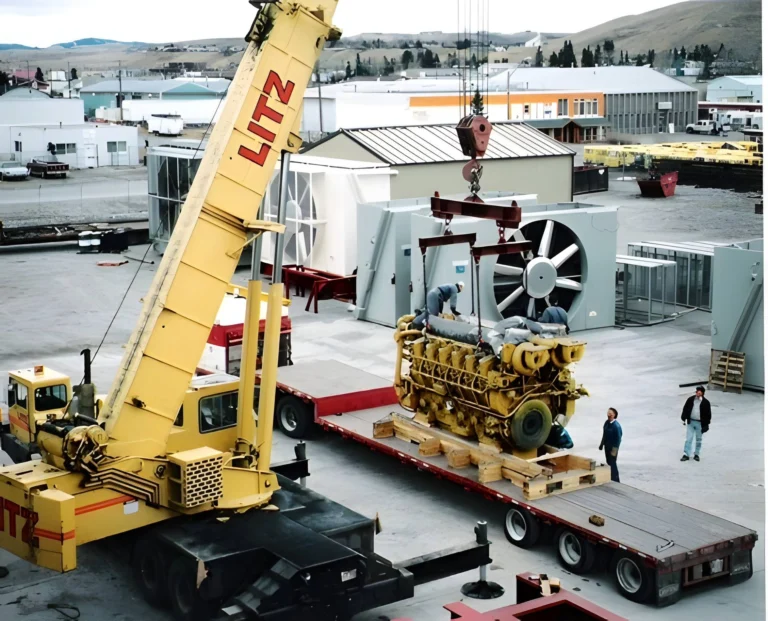
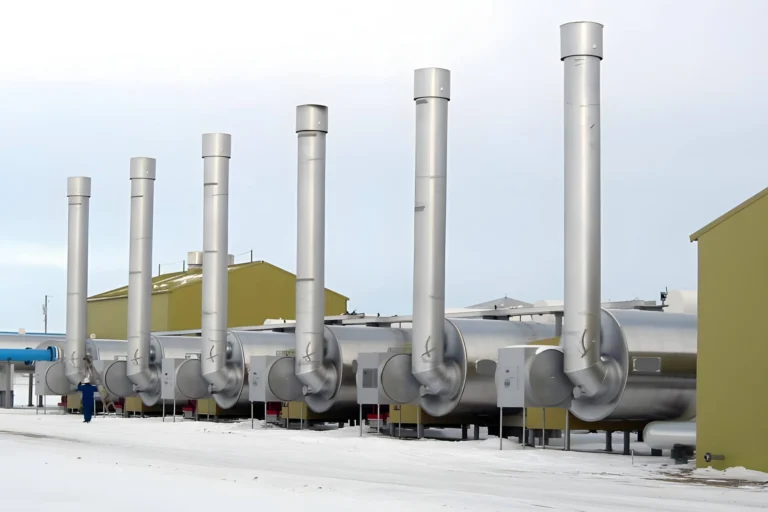
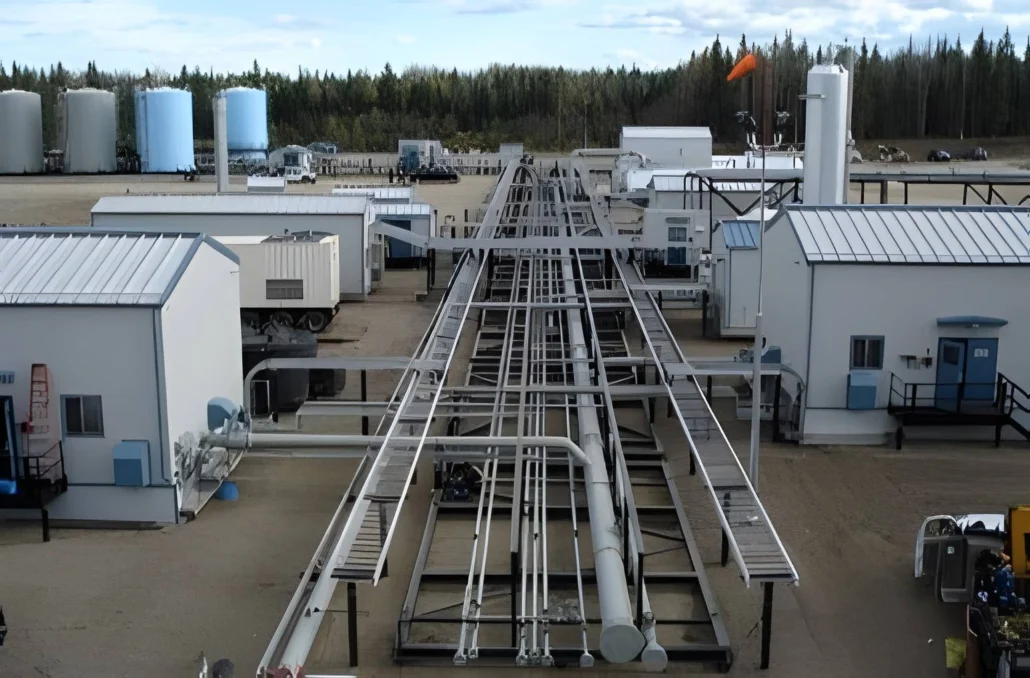
CHR personnel engineered three stand-alone sour oil batteries and compressor station central processing facilities (CPFs) in the Kaybob area of Alberta, plus a 63 km gas pipeline. Each facility handles 75 MMscfd of gas with 5% H₂S. These are the main areas where sour service changes the design.
1. Materials
H₂S causes sulphide stress cracking and hydrogen-induced cracking in susceptible steels. Piping, vessels, valves, instruments and compressor components in sour service must use materials qualified to NACE MR0175 / ISO 15156, with controlled hardness and qualified welding procedures. Corrosion allowances and inhibition are chosen for the expected water, CO₂ and H₂S content.
2. Safety systems
- Fixed H₂S detection in buildings and process areas, with alarms and automatic responses
- Emergency shutdown (ESD) and blowdown that isolate and depressure the facility safely
- Ventilation of buildings to avoid gas accumulation
- Breathing air and personal monitors for operators
- Flare systems designed for complete combustion of sour gas
3. Layout and emergency planning
The amount of H₂S in a facility affects how far an accidental release could travel, so it influences site selection, distances to residents and roads, and emergency response planning. Layout also keeps sour equipment away from ignition sources and allows safe escape routes.
4. Removing the H₂S: sweetening
Gas must usually meet a pipeline specification for H₂S, so sour gas is sweetened, most often with an amine unit. The removed acid gas (H₂S and CO₂) must then be handled:
- Sulphur recovery (for example a Claus unit) where volumes justify it
- Acid gas injection into a suitable underground formation, which has become common in Alberta for small and mid-size volumes
- Flaring or incineration only within strict regulatory limits
5. Compression in sour service
Compressors handling sour gas need sour-service materials for cylinders, valves and packing, vent and drain systems that capture leakage, and gas detection in the compressor building. Packing vents and distance pieces need particular attention.
6. Regulation in Alberta
Sour facilities and pipelines in Alberta are regulated by the AER, including requirements for emergency response plans and for limiting flaring and venting. Requirements depend on the H₂S content and the potential release volume, so they are best considered from the earliest design stage.
See the sour oil battery and compressor station project, read how compressor valves fail, or contact us about a sour gas facility.
Frequently asked questions
At what H₂S level is gas considered sour?
Definitions vary by jurisdiction and pipeline specification, but gas with more than a few parts per million of H₂S is commonly treated as sour. At 5% (50,000 ppm), as at the Kaybob facilities, sour-service design applies throughout.
What is NACE MR0175?
It is the standard (also published as ISO 15156) for selecting materials that resist cracking in H₂S-containing oil and gas production environments.
Is acid gas injection better than sulphur recovery?
It depends on volume, location, the availability of a suitable injection zone and economics. For smaller volumes acid gas injection is often simpler and avoids handling solid sulphur.
Have a part number or a nameplate photo?
Request a quote